



In this guide
To fit a boil and bite gum shield, you soften it in hot water for the time on its instructions, let it cool for a moment, place it on your top teeth, press it up with your thumbs, then bite gently and suck to pull it close to your teeth before cooling it in cold water. The steps below go through it carefully. If you have a lab made custom guard, there is nothing to fit: it is already shaped to your teeth, and you should never heat it.
First, which guard do you have?
Dental bodies describe three types. The American Dental Association and the FDI World Dental Federation both use the same split.
| Type | How it fits | Do you mould it? |
|---|---|---|
| Stock (ready made) | A set shape in a few sizes | No, it cannot be shaped |
| Boil and bite | Softened in hot water, then shaped in your mouth | Yes, at home |
| Custom made | Made from an impression or scan of your teeth | No, it arrives shaped |
There are also instant self fit trays that you shape without hot water. Use their own instructions: the method varies.
Fitting a boil and bite guard, step by step
- Read the instructions that came with your guard. Times and temperatures vary between products, and some say not to trim the guard at all.
- Try it dry. Put it in without heating to see which way it sits and whether it is too long at the back. Only trim if the instructions allow it.
- Heat the water. Boil a kettle and pour the water into a mug or bowl. Some instructions ask you to let it stand for a short time first.
- Soften the guard. Hold it in the water for the time stated. The American Dental Association describes this as a short dip, about 15 seconds. Too long and it can lose its shape.
- Lift it out and test it. Use a spoon, shake off the water and let it stand a few seconds. Touch it to your lip first. It should be warm, never painfully hot.
- Place it on your top teeth, centred, and push it up firmly with your thumbs.
- Bite gently and suck. Close your teeth gently into it, then suck hard to draw out air and water, and press your tongue up against the roof of your mouth. Press the outside with your fingers along your gums. Hold for the time stated.
- Cool it. Take it out and put it straight into cold water to set the shape.
- Check the fit using the checks below. Many guards can be refitted once or twice if the first try is poor.
How to tell if it fits
- It stays on your top teeth when you open your mouth, without you biting to hold it.
- It covers your teeth right back to your molars, not just the front teeth.
- You can breathe through your mouth and say a few words.
- It does not dig into your gums or the back of your mouth, or make you gag.
If it fails any of these after a refit, it is not the right guard for your mouth. The RFU notes that boil in the bag and pre moulded guards generally give a reduced level of fit and protection, and recommends custom fitted guards.
If it goes wrong
- Too loose: the guard was not hot enough, or you did not suck the air out. Refit, if the instructions allow.
- Thin spots or bite through: you bit too hard. Bite gently next time and let suction and finger pressure do the work.
- Warped shape: it was in the water too long. Some guards cannot recover from this.
- Gagging: it is too long at the back. Trim only if the instructions allow it, and only a little at a time.
Getting used to wearing it
Any new guard feels strange for the first few sessions. Wear it around the house for short spells, talk with it in and drink water with it in, so your mouth gets used to it before training. If it still makes you gag after a week, or you keep taking it out to breathe, the fit is wrong rather than you. For a child, an adult should handle the hot water and test the heat, and check the fit every few weeks during the season, because growing teeth change it.
Why a lab made guard needs no moulding
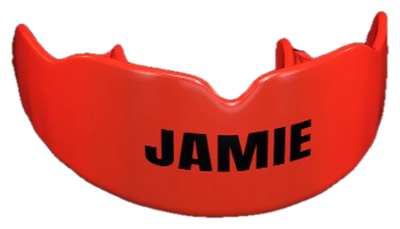
A custom guard is made the other way round. You take an impression of your top teeth at home, the lab makes an exact model from it, and the guard is formed over that model. It arrives already shaped. To fit it, you rinse it in cool water and push it up onto your top teeth. That is all.
Never put a custom guard in hot water to try to improve the fit. It can warp it, and on our guards heating or altering it is not covered by our perfect fit guarantee. If a custom guard feels wrong, contact the maker instead.
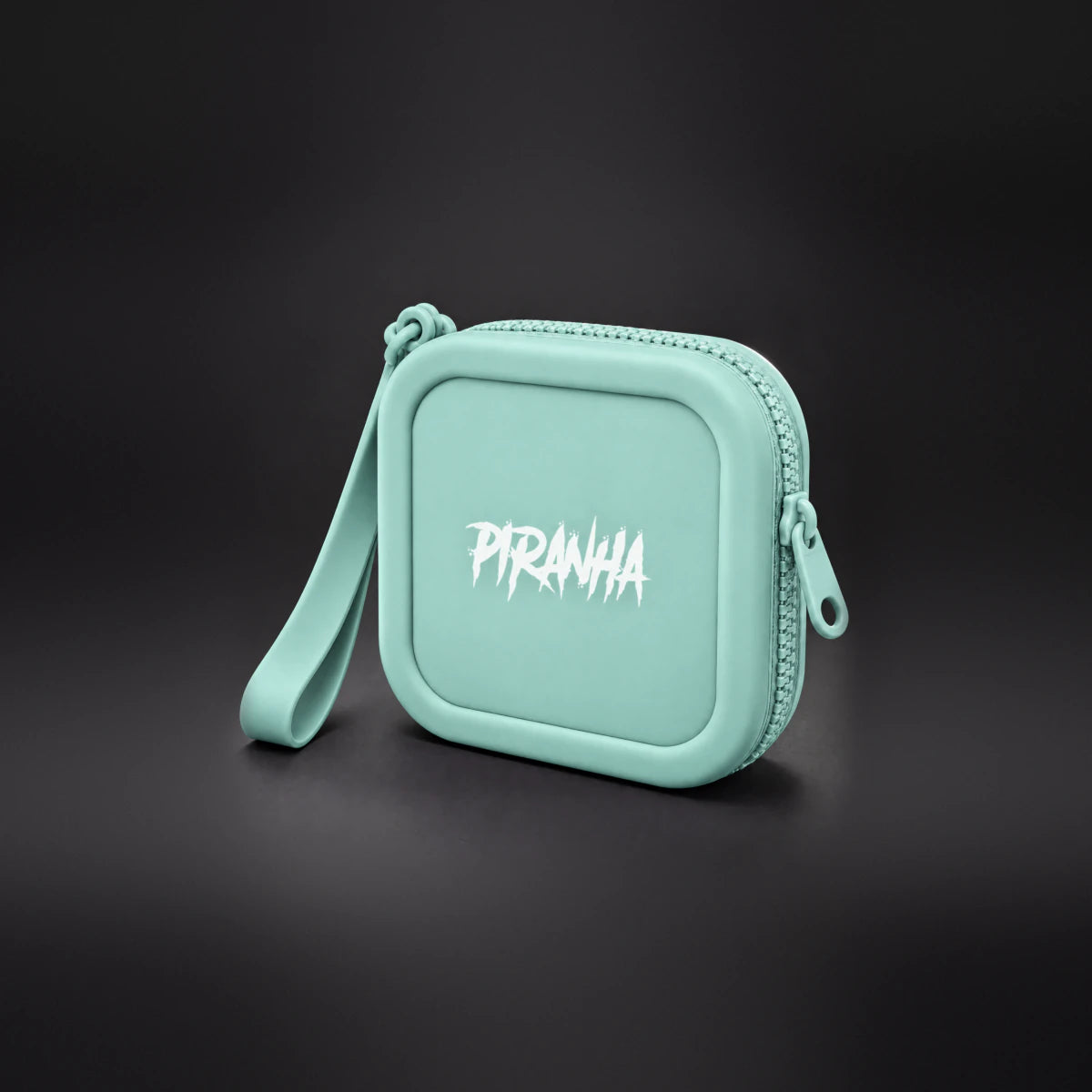
At Piranha, the guard is made at our lab in Glasgow from your own impression, using the free kit we post to you. You can read how it works in our guide to taking a gum shield impression, and compare the two routes side by side on custom vs boil and bite. If you would rather design one yourself, start in the live 3D builder.
A note on braces: dental guidance says boil and bite guards are not for people with fixed braces. We make gum shields for braces wearers only at our Glasgow lab, the same day, ready 2 to 3 hours later; see gum shields for braces.
This guide is general information, not medical advice.
How long do you put a gum shield in hot water?
Follow the time on your guard's own instructions. The American Dental Association describes the usual dip as short, about 15 seconds. Too long can warp it.
Should I use boiling water?
Most boil and bite guards use water from a just boiled kettle, sometimes left to stand briefly. Always check the guard is warm, not painfully hot, before it goes in your mouth.
Can I refit a boil and bite gum shield?
Many can be refitted once or twice. Check the instructions. If it still does not stay up without biting, try a different guard.
Do I need to mould a custom gum shield?
No. A custom guard is made on a model of your teeth and arrives ready to wear. Never heat it.
How do I fit a gum shield for a child?
The same steps apply, but an adult should handle the hot water and test the heat first. Check the fit often, because growing teeth change it.
Sources
- American Dental Association, Athletic mouth protectors (mouthguards)
- FDI World Dental Federation policy statement, Sports mouthguards (International Dental Journal, PubMed Central)
- England Rugby (RFU), Player welfare general guidance: mouthguards
- MouthHealthy from the American Dental Association, Mouthguards
This guide is general information, not medical advice.


