



In this guide
The best gum shield for rugby is one that is custom fitted, stays on your top teeth without biting, lets you breathe and call moves, and carries a CE mark. That is not marketing: it is close to what the RFU itself recommends. World Rugby goes further and says mouth guards made from a dental mould generally provide the best protection. This guide explains how to judge any rugby guard against those points.
What the governing bodies say
World Rugby's Law 4 says: "World Rugby recommends all players wear a mouthguard or dental protector." Its Rugby Ready guidance adds that it is strongly recommended that all players wear a custom made mouth guard in training and matches, and that guards made from a dental mould generally provide the best protection.
The RFU, in its player welfare guidance, "strongly recommends that mouth guards (also referred to as gum shields or dental protectors) are worn for any contact rugby activity (both training and matches)". It recommends custom fitted guards, and says boil in the bag or pre moulded guards "generally provide a reduced level of fit and protection". It also says that, as personal protective equipment, mouth guards "should have a CE mark".
The RFU is also honest about the limits: it says the use of mouthguards can help to protect the teeth and face, but there is currently no conclusive evidence that mouth guards can reduce the risk of concussion. For whether you must wear one at your club, see our guide to rugby gum shield rules.
What to look for in a rugby gum shield
- A close fit. World Rugby names fit as a key point, so the guard is retained easily and spreads forces correctly. It should stay up in a tackle or a ruck without you clenching.
- Energy absorption. World Rugby's second point is the guard's ability to absorb energy, which comes down to material and thickness. Our gum shield thickness guide covers what is generally recommended.
- Breathing and talking. Forwards need to breathe hard in the loose, and backs need to call moves. A bulky guard gets taken out, and a guard in your sock does nothing.
- A CE mark, as the RFU asks.
- Coverage. Top teeth back to the molars.
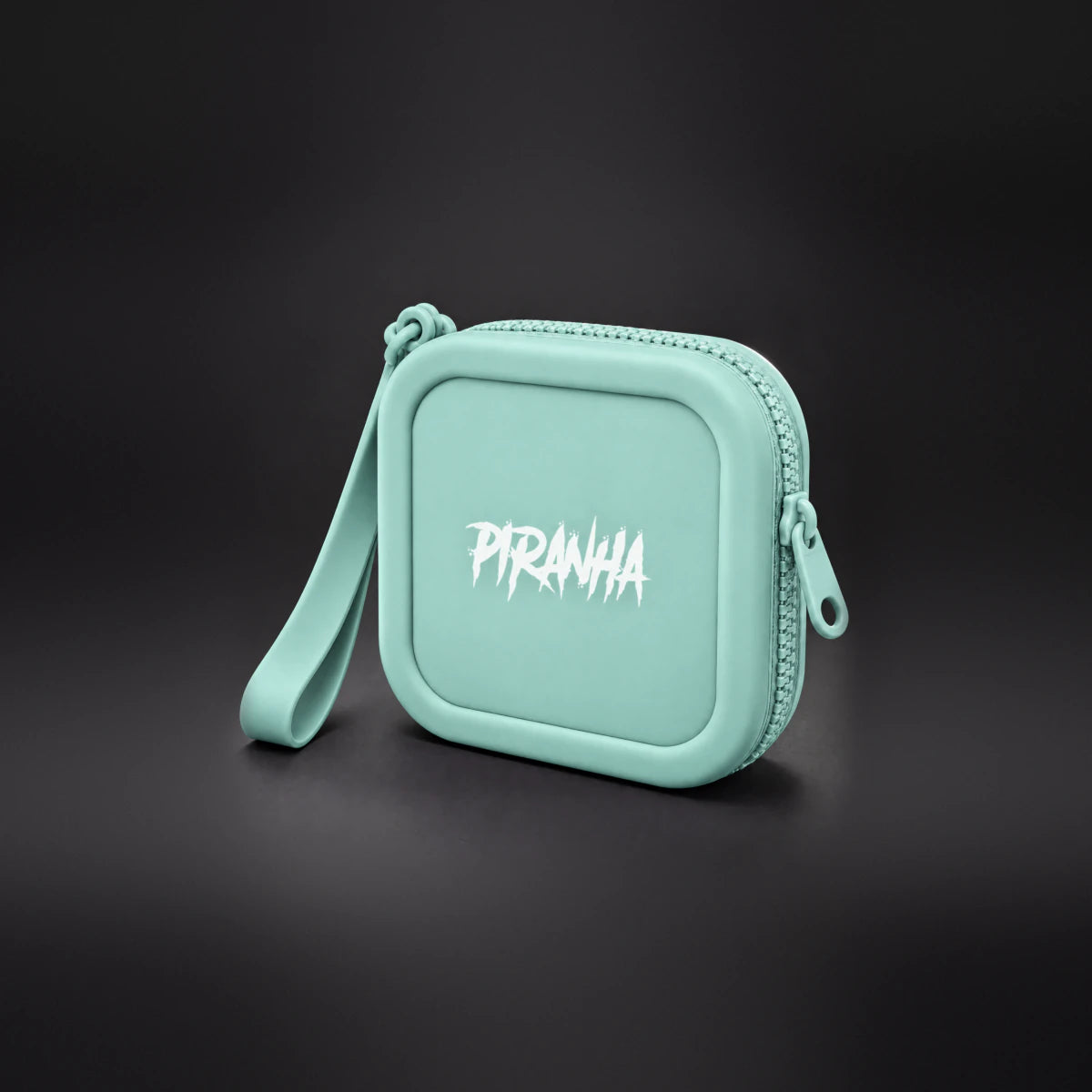
- A case that survives a kit bag.
Before you buy, it helps to ask a few plain questions of any guard or maker. Is it CE marked? Does it cover the top teeth back to the molars? Will it stay up without biting? Can I breathe and call with it in? What happens if it does not fit? If the answers are vague, look elsewhere. Forwards and backs need the same basic things; forwards often care most about breathing in the tight exchanges, and backs about calling clearly.
Stock, boil and bite or custom for rugby
| Type | Fit | What the guidance says |
|---|---|---|
| Stock (ready made) | Set shape | Rated least effective by dental bodies |
| Boil and bite | Shaped at home | The RFU says generally reduced fit and protection |
| Custom made | Made from an impression of your teeth | Recommended by the RFU and World Rugby |
Price and looks matter too, but put them after fit. A guard in great colours that stays in your sock does nothing, and a cheap guard that you replace every few weeks because it never fitted is not a saving. If you are trying a guard for the first time, wear it at training for a week before a match so you know it stays up and you can breathe and call with it in.
Positions, colour and young players
Every position makes contact, so every position should wear one. Many players pick a colour to match their club, which is fine: we found no World Rugby or RFU rule on mouthguard colour. For young players, the Oral Health Foundation notes that children and teenagers may need new mouthguards more often because their mouths are still changing, so check the fit through the season. Our kids gum shields page covers ordering for a child.
Wearing it through the season
A guard only works if it is in. Some habits make that easier:
- Wear it from the warm up. Put it in before contact drills start, not as you jog on.
- Keep it in its case, not tucked in a sock or a waistband. It gets lost, trodden on or dirty.
- Rinse it at half time with plain water, and wash it properly after the game.
- Keep it out of hot cars in summer and off the changing room heater in winter. Heat changes its shape.
- Check it after big hits. Look for splits and make sure it still sits right.
- Have a spare for the bag, so a forgotten guard does not mean playing without.
Young players especially need checking through the season. A guard that fitted in September may not fit by spring if teeth are coming through.
Where a Piranha guard fits in
A Piranha guard is custom fitted, made at our lab in Glasgow from an impression you take at home with the free kit we post to you. Our guards are UKCA and CE marked, made by GDC registered technicians, and impact tested. Each one covers the top teeth up to and including the second molars, and is thicker over the front teeth and thinner elsewhere for comfort and breathing.
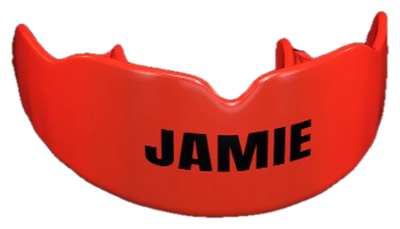
It is made in 3 working days from when we receive your impressions, then sent with free tracked UK delivery, next working day to most of the UK. You can have it in your club colours, with your name or number, in the live 3D builder, or see everything on our rugby gum shields page. Anyone aged 10 and over can order, and under 18s order through a parent or guardian. Under 10s, please contact us first.
This guide is general information, not medical advice.
What type of gum shield does the RFU recommend?
The RFU recommends custom fitted mouth guards, and says boil in the bag or pre moulded guards generally give a reduced level of fit and protection. It also says guards should have a CE mark.
Does a gum shield stop concussion in rugby?
No. The RFU says mouthguards can help protect the teeth and face, but there is no conclusive evidence they reduce the risk of concussion.
Should I wear my gum shield in training?
Yes, for any contact. The RFU recommends mouth guards for contact rugby in both training and matches.
Can I wear a gum shield in my club colours?
We found no World Rugby or RFU rule on mouthguard colour. Check with your club or competition if you are unsure.
Which teeth should a rugby gum shield cover?
The top teeth, back to the molars. Ours cover up to and including the second molars.
Sources
This guide is general information, not medical advice.

