





In this guide
To clean a gum shield, rinse it in cool water as soon as it comes out of your mouth, wash it gently with mild soap and a soft brush, rinse again, let it dry, and keep it in a vented case. Every so often, soak it in a mouthguard, retainer or denture cleaning solution. Keep it away from heat at every step, because heat changes its shape and a guard that has lost its shape no longer fits.
Why cleaning matters
A gum shield spends its working life in a warm, wet mouth and then in a dark kit bag. That is exactly where bacteria and smells build up. The Oral Health Foundation advises cleaning a mouthguard after each use, and the American Dental Association advises storing it in a sturdy container with vents so it can dry, which helps keep bacteria from growing. A clean guard is also nicer to put in, which matters more than it sounds: a guard that smells or tastes bad tends to get left in the bag.
After every session
- Rinse it in cool water as soon as you take it out, before saliva dries on it.
- Wash it gently with mild hand soap and a soft toothbrush kept just for the guard, or with a mouthguard cleaner. The European Association for Sports Dentistry recommends cleaning after each use with neutral hand soap and a soft toothbrush.
- Rinse again so no soap is left.
- Shake it off and let it air dry before you close the case. A wet guard in a sealed box is where smells start.
- Clean the case too, every week or so, with the same soap and water.
A weekly deep clean
Once a week, or after a sweaty tournament weekend, give it a soak. The Oral Health Foundation suggests a denture, retainer or brace cleaning solution. Mouthguard cleaning tablets do the same job. Follow the times on the packet, then rinse well in cool water before wearing it. Do not leave it soaking for days, and do not mix products.
Brush gently when you clean it. A soft brush and light pressure are enough to lift saliva and grime; scrubbing hard does not get it cleaner and can roughen the surface, which then holds on to more dirt. Pay attention to the inside, where your teeth sit, as that is where most build up collects. If you use cleaning tablets, use a clean glass or tub kept for the purpose, not a cup you drink from.
The case needs the same care. Wash it in warm, soapy water, rinse it, and let it dry open. A clean guard put into a dirty case is not clean for long.
What to avoid
| Avoid | Why |
|---|---|
| Hot or boiling water | Most guards are made from a material that softens with heat. It can warp and stop fitting. |
| Dishwashers and microwaves | Both get far too hot. |
| Leaving it in the sun or a hot car | Dental advice is to keep it out of direct sun. A car in summer gets hot enough to change its shape. |
| Bleach, mouthwash with alcohol, harsh chemicals | They can damage the surface and the colours, and leave a taste. |
| Sharing a guard | It is made for one mouth, and sharing spreads germs. |
| Wrapping it in a tissue | It gets thrown away or crushed. Use a case. |
You will see some general advice that says you can brush a mouthguard with toothpaste. For a Piranha guard we ask you not to use toothpaste or boiling water, and to stick with cool water and mild soap or a mouthguard cleaner.
Cleaning it on the go
You will not always be near a sink. At a match, a fight night or a long tournament day, carry a bottle of plain water just for rinsing. Rinse the guard between bouts or at half time, shake it off and put it back in its case rather than on a bench or in a pocket. Give it a proper wash with soap when you get home. If you travel to compete, pack the guard in its case inside your bag, not loose where it can be squashed or end up on a hot car seat.
Signs your cleaning routine needs work: a white or cloudy film that comes back, a smell when you open the case, or a taste when you put it in. A weekly soak usually sorts the first two. If staining or a smell will not shift, it may be time for a new guard.
Storing it between sessions
Keep it in a hard, vented case, somewhere room temperature and dry. Do not leave it on a radiator, by a heater, or on the dashboard. If it gets dropped on a changing room floor, clean it before it goes back in your mouth. Bring it with you to your dental check up: your dentist can look at the fit and the wear while you are there, and the FDI World Dental Federation recommends a guard is checked at least once a year.
Caring for a Piranha guard
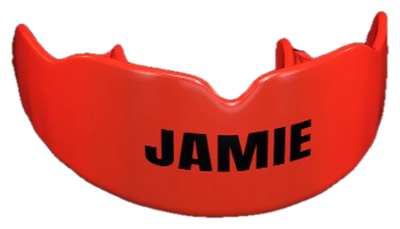
Every Piranha guard comes with a free case. If you want a spare for your kit bag, the AquaLock Flex case is sold on its own for £7.95. Our own care rules are simple: rinse after use in cool water, wash with mild soap or a mouthguard cleaner, store it in the case, and keep it below 60°C, out of the sun, hot cars and away from heaters. Heat damage is one of the things our perfect fit guarantee does not cover, so the case really is worth using.
If your guard starts to look worn or feels loose, cleaning will not fix that. Our guide to how long gum shields last explains the signs that it is time for a new one.
This guide is general information, not medical advice.
Can I clean my gum shield with hot water?
No. Hot or boiling water can soften the material and change the shape, so the guard stops fitting. Use cool water.
Can I use toothpaste on a gum shield?
Some general advice allows it, but for a Piranha guard we ask you not to. Cool water with mild soap or a mouthguard cleaner is all it needs.
Do gum shield cleaning tablets work?
Yes, as a regular deep clean. Mouthguard, retainer or denture cleaning tablets all suit. Follow the packet times and rinse well before wearing.
How do I stop my gum shield smelling?
Rinse it straight after use, wash it with mild soap, let it dry fully before closing the case, and soak it weekly. Clean the case as well.
Should I store my gum shield wet or dry?
Dry. Shake it off and let it air dry, then keep it in a vented case so air can move around it.
Sources
- Oral Health Foundation, Protect your smile with mouthguards
- MouthHealthy from the American Dental Association, Mouthguards
- European Association for Sports Dentistry, Position statement and recommendations for custom made sport mouthguards (Dental Traumatology, PubMed Central)
- FDI World Dental Federation policy statement, Sports mouthguards (International Dental Journal, PubMed Central)
This guide is general information, not medical advice.

