



In this guide
The best gum shield for boxing is the one that fits your mouth closely enough to stay on your top teeth without biting, covers your teeth back to the molars, and still lets you breathe and talk between rounds. For most boxers who train regularly, dental bodies point to a custom made guard as the best fit. A well fitted boil and bite guard can do for someone just starting out. This guide shows you how to judge any guard.
What the rules say in England
The England Boxing Technical and Competition Rules 2026 are clear. Rule 8.7.1 says gum shields "are mandatory for all Boxers" and "can be of any colour". Older advice you may read online about red guards being banned does not match the current England Boxing rule book.
The rules also deal with guards that come out. If a gum shield falls out or is knocked out, rule 8.7.2 sets out a caution for the first and second instance, a warning for the third and fourth, and disqualification on the fifth. Spitting it out is treated more harshly under rule 8.7.3: warnings on the first and second instance, and disqualification on the third. A guard that fits properly is a practical advantage, not just a comfort.
If you box under another body, in Scotland, Wales, at university or in the professional game, check that body's current rules or ask your coach.
What to look for in a boxing gum shield
- Retention. It should stay up when you open your mouth, take a shot or breathe hard. If you have to clench to keep it in, it is the wrong fit.
- Coverage. It should cover all your top teeth back to the molars, not stop at the front teeth.
- Breathing. You need to breathe through your mouth in a hard round. A bulky guard makes that harder.
- Comfort over a full session. No rubbing, no pressure points, no gagging.
- Protection over the front teeth. The front teeth take the most direct shots, so they need good cover. Our gum shield thickness guide explains the general guidance.
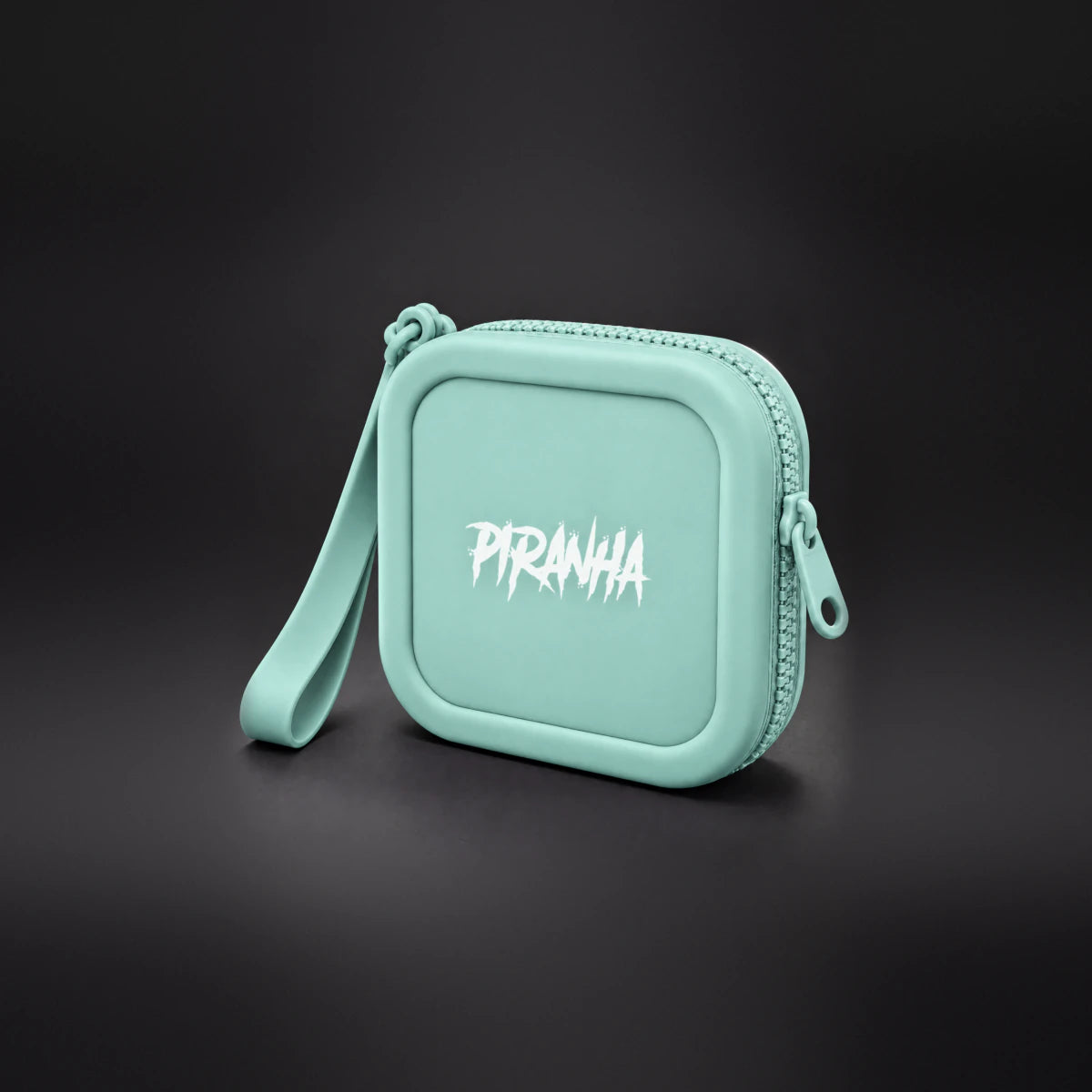
- A case. A gum shield that lives loose in a kit bag gets lost or crushed.
The rule says all boxers, so it covers junior boxers as well as adults. For a young boxer, check the guard regularly, because growing teeth change the fit, and a guard that worked in the autumn may come loose by the spring.
Stock, boil and bite or custom
| Type | Fit | Good for |
|---|---|---|
| Stock (ready made) | Set shape, often loose | A spare in the bag; dental bodies rate them least effective |
| Boil and bite | Shaped at home, varies with how well it is moulded | Trying the sport, occasional pad work |
| Custom made | Made from an impression of your teeth | Regular sparring and competing |
The Oral Health Foundation says a custom made mouthguard gives the best fit and protection, and that shop bought guards often do not fit properly. A 2026 review of the clinical evidence found custom guards may give greater protection than non custom ones, but also said direct comparisons are still limited. That is a fair summary: custom is the stronger choice for fit, and no guard removes the risk of injury.
Our custom vs boil and bite comparison goes into the trade offs in more detail.
Sparring, pads and competition
If you only hit pads and bags, you may not wear a guard much at all. Once you spar, wear it every time, not just for hard rounds. Light sparring still produces accidental clashes. If you compete, wear the guard you will fight in during sparring too, so it already feels normal on fight night.
Getting used to it and looking after it
A guard you are not used to is a guard you fiddle with. Wear it for skipping, shadow boxing and pad work as well as sparring, so breathing with it in becomes normal.
Between rounds, rinse it with plain water, not whatever is in your bottle, and put it back in its case rather than on the apron or the floor. After training, wash it in cool water with mild soap and let it dry. Do not chew it between rounds, which thins it quickly. Our guides on cleaning a gum shield and how long one lasts cover care in full.
Keep a spare in your bag if you compete. If your main guard is lost, damaged or forgotten on fight day, a spare you have already trained in is far better than a new one straight from the packet.
Where a Piranha guard fits in
A Piranha guard is a custom fit guard made at our lab in Glasgow from your own impression. We post you a free impression kit, you take the impression at home, and our team checks your photos on WhatsApp before you send it back. It is made in 3 working days from when we receive your impressions, then sent with free tracked delivery, next working day to most of the UK. It covers your top teeth up to and including the second molars, and is thicker over the front teeth and thinner elsewhere for comfort and breathing.
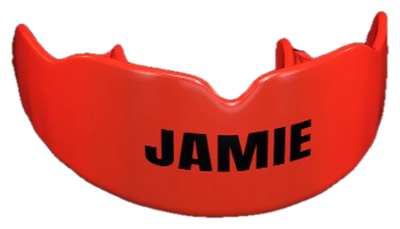
Because England Boxing allows any colour, you can have any of our 16 colours, or design your own with your name or club in the live 3D builder. See all our boxing gum shields, or the plain option at £69.
From a customer, Lewis: "High recommend not bulky at all very breathable fits perfectly if into martial arts it’s a must."
This guide is general information, not medical advice.
Can you wear a red gum shield in boxing?
Under the England Boxing Technical and Competition Rules 2026, gum shields can be of any colour. If you box under another body, check its current rules.
Is a gum shield compulsory in amateur boxing?
Yes, for England Boxing. Rule 8.7.1 says gum shields are mandatory for all boxers.
What happens if my gum shield falls out in a bout?
Under England Boxing rules, a caution for the first two instances, a warning for the third and fourth, and disqualification on the fifth. Spitting it out is treated more harshly.
Is a custom gum shield worth it for boxing?
If you spar regularly, a custom guard is the type dental bodies rate highest for fit, which helps it stay in and lets you breathe. For a first few weeks of training, a well fitted boil and bite guard can do.
Do I need a top and bottom gum shield for boxing?
Most boxers wear a guard on the top teeth only. Our guards are made for the upper teeth.
Sources
- England Boxing Technical and Competition Rules 2026, rule 8.7 Gum shields
- Oral Health Foundation, Protect your smile with mouthguards
- Perrotta and colleagues, Custom made versus non custom mouthguards: a scoping review (Bioengineering 2026, PubMed Central)
- American Dental Association, Athletic mouth protectors (mouthguards)
This guide is general information, not medical advice.


